Introduction
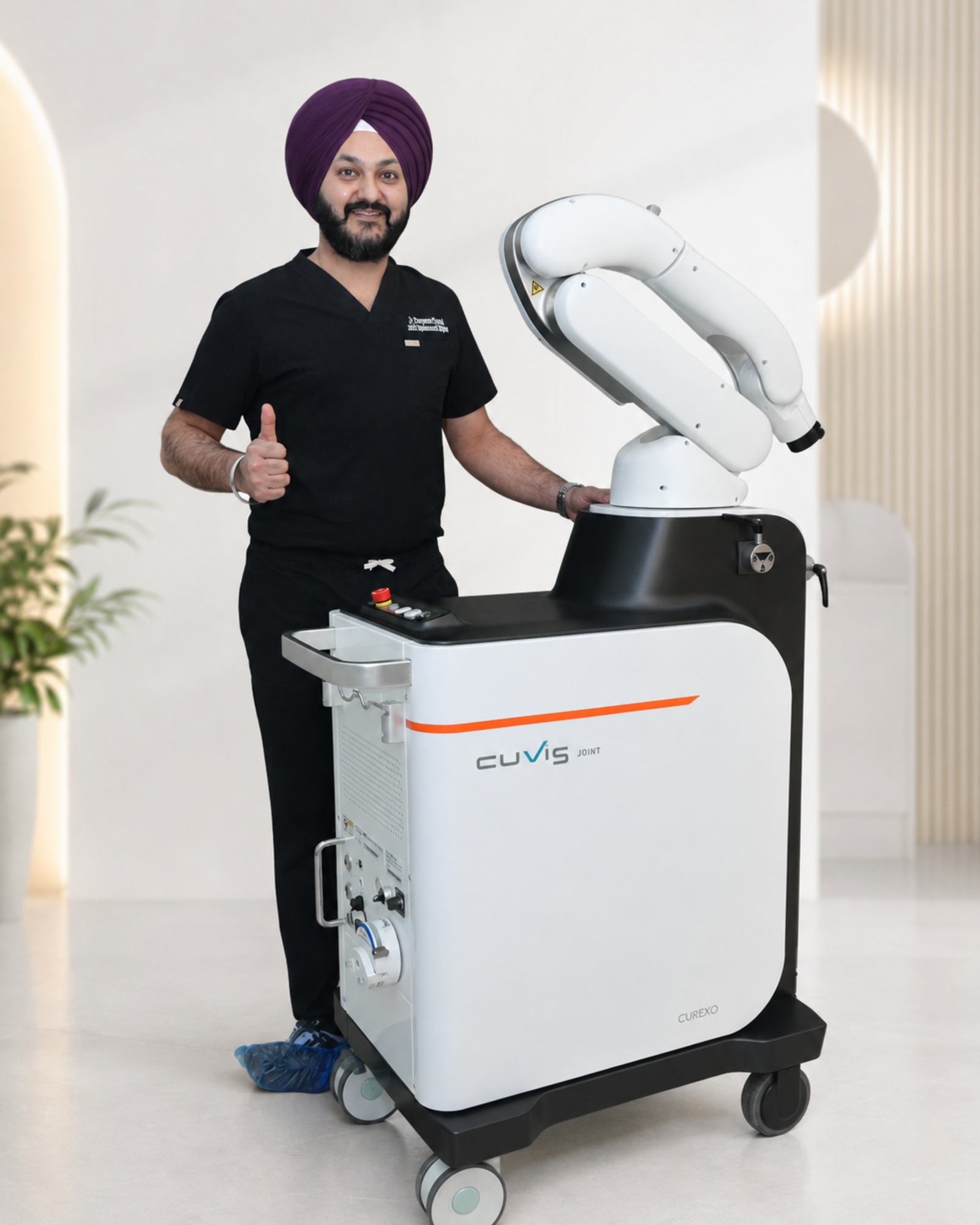
Knee pain can significantly impact your quality of life, making even simple tasks like walking or climbing stairs a challenge. When conservative treatments like medication and physical therapy no longer provide relief, knee replacement surgery is often considered. At Nagpal Joint Clinic, we offer the latest advancement in this field: Robotic-Assisted Knee Replacement.

This technology allows for unprecedented precision in implant placement, tailored to each patient's unique anatomy. Led by Dr. P.S. Nagpal, our team uses robotic systems to enhance the surgical process, aiming for better long-term results and a more natural feel for the patient.
What is Robotic Knee Replacement?
Robotic knee replacement is not a surgery performed by a robot. Instead, it is a surgeon-controlled procedure where a robotic system provides data and assistance to enhance the surgeon's precision. The system creates a 3D map of your knee, allowing the surgeon to plan the procedure with extreme accuracy before the first incision is made.
How Knee Arthritis Affects Movement
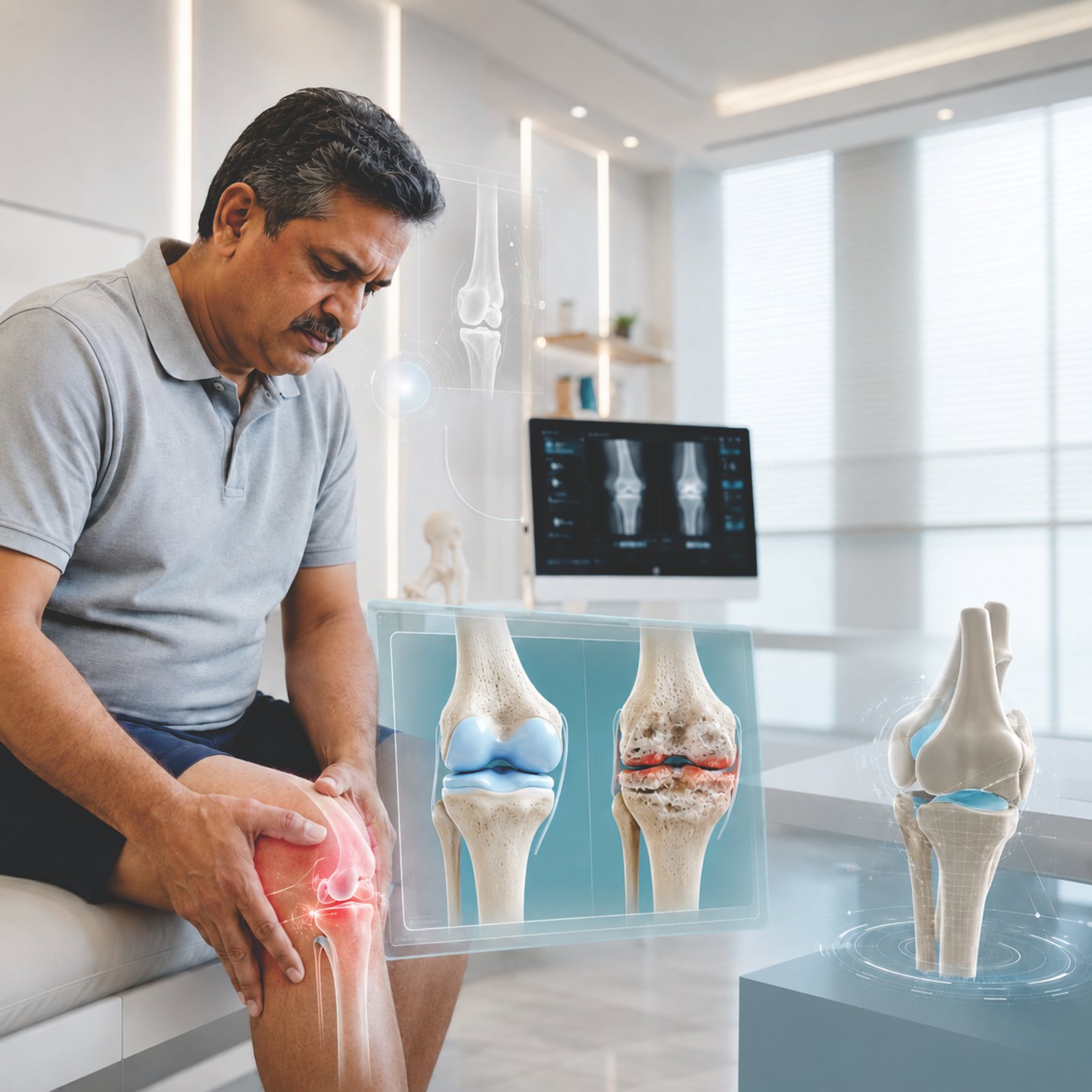
Osteoarthritis is the most common reason for knee replacement. It occurs when the protective cartilage that cushions the ends of the bones wears down over time. Without this cushion, the bones rub against each other, causing pain, swelling, and stiffness.
Benefits of Robotic Assistance
The use of robotic technology in knee replacement offers several potential benefits:
- Personalized Planning: Every knee is different. The robot helps create a plan specific to your anatomy.
- Increased Precision: Sub-millimeter accuracy in bone preparation and implant positioning.
- Soft Tissue Protection: The system helps the surgeon avoid damaging surrounding ligaments and nerves.
- Natural Feel: Better alignment often leads to a joint that feels more natural to the patient.
- Potentially Faster Recovery: Less trauma to the tissues can lead to a quicker return to daily activities.
Medical Disclaimer: The information on this website is provided for general educational purposes and is not a substitute for consultation, diagnosis or treatment by a qualified healthcare professional. Treatment results vary between patients. Eligibility requires clinical assessment.